
Introduction
Many learnership applications fail not because the applicant is unqualified, but because the motivational letter is weak, generic, or missing altogether.
For learners with little or no work experience, writing a motivational letter can feel intimidating. Some applicants are unsure what to say, while others believe the letter does not really matter. In reality, the motivational letter is often one of the most important documents in a learnership application.
Employers and training providers use motivational letters to understand:
-
Who you are
-
Why you are applying
-
Whether you are serious about completing the learnership
-
If you show potential, commitment, and interest
This guide explains exactly how to write a strong motivational letter for a learnership, even if you have no work experience. You will learn what to include, what to avoid, how long it should be, and how to structure it properly.
What Is a Motivational Letter for a Learnership?
A motivational letter (sometimes called a motivation letter or cover letter) is a short written document that explains why you want to be considered for a learnership.
Unlike a CV, which lists facts about your education and skills, a motivational letter explains:
-
Your reasons for applying
-
Your interest in the field
-
Your goals
-
Your willingness to learn
For learnerships, the motivational letter is not about convincing the employer that you are already skilled. It is about showing that you are motivated, reliable, and ready to learn.
Why Motivational Letters Matter in Learnership Applications
Learnership providers often receive hundreds of applications for limited spaces. Many applicants meet the basic requirements, which makes it difficult to decide who to shortlist.
A motivational letter helps selectors:
-
Identify serious applicants
-
Understand your mindset
-
See effort and preparation
-
Distinguish you from others with similar qualifications
A clear, honest letter can improve your chances even if your CV is simple.
Is a Motivational Letter Always Required?
Not all learnerships require a motivational letter, but many do.
You may be asked to:
-
Upload a motivational letter
-
Include it in an email application
-
Write a short motivation paragraph in an online form
Even when it is not explicitly required, including a motivational letter can still be beneficial.
Who Should Write a Motivational Letter?
You should write a motivational letter if you are:
-
A matriculant with no experience
-
Applying for your first learnership
-
Unemployed and seeking skills development
-
Changing career fields
-
Applying for competitive learnerships
Motivational letters are especially important for entry-level applicants.
How Long Should a Motivational Letter Be?
A learnership motivational letter should be:
-
One page maximum
-
Approximately 250–400 words
-
Clear and direct
-
Easy to read
Long letters are often ignored. Short, focused letters work best.
The Correct Structure of a Learnership Motivational Letter
A strong motivational letter should follow this structure:
-
Opening paragraph
-
Background and interest
-
Skills and personal qualities
-
Career goals and commitment
-
Closing paragraph
Each section has a specific purpose.
1. Opening Paragraph: State Your Purpose Clearly
The opening paragraph should explain:
-
What you are applying for
-
Where you saw the opportunity (optional)
-
Why you are writing the letter
Example Opening
“I am writing to express my interest in applying for the learnership programme. I am eager to gain practical workplace experience while developing relevant skills through structured training.”
This shows clarity and intention.
2. Background and Interest in the Learnership
In this section, briefly explain:
-
Your educational background
-
Why the learnership interests you
-
Why you chose this field
You do not need to write your full life story. Keep it relevant.
Example
“I have completed my Grade 12 and am currently seeking an opportunity to gain hands-on experience in a professional environment. This learnership interests me because it offers structured training combined with practical workplace exposure.”
✍️ Writing a Motivational Letter (Practical Example)


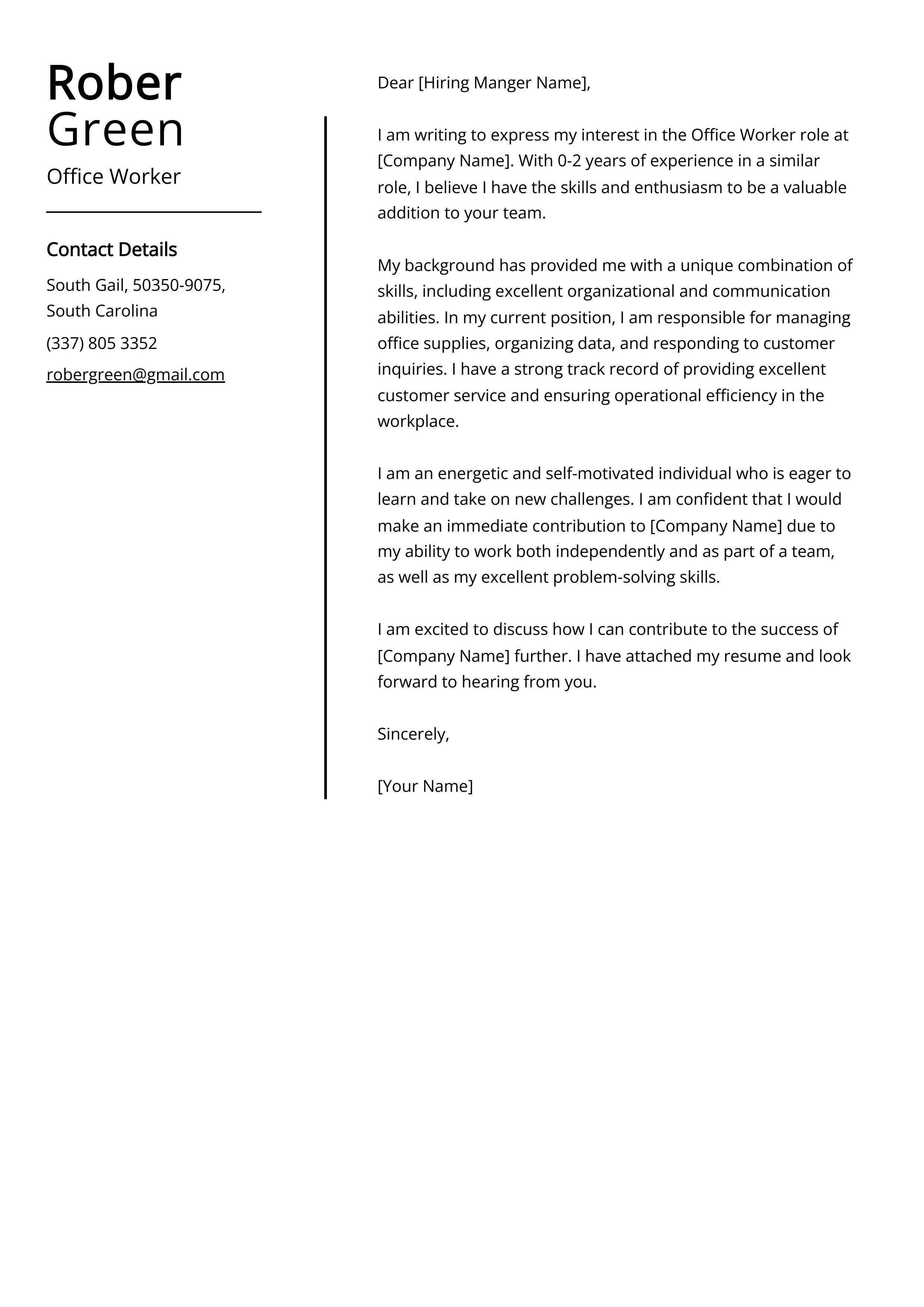
(This represents a generic, professional stock-style image, aligned with motivation letter writing.)
3. Skills and Personal Qualities (Even Without Experience)
This is where many applicants feel stuck, especially if they have never worked before.
You can mention:
-
Communication skills
-
Willingness to learn
-
Time management
-
Teamwork
-
Reliability
-
Basic computer skills
-
Problem-solving
-
Positive attitude
Example
“Although I do not have formal work experience, I am eager to learn, reliable, and able to work well with others. I am committed to following instructions, meeting deadlines, and developing new skills.”
Honesty is important. Do not exaggerate.
4. Career Goals and Commitment
This section shows that you are serious about your future.
Explain:
-
How the learnership fits into your goals
-
What you hope to gain
-
Your commitment to completing the programme
Example
“My goal is to build a long-term career by gaining practical skills and recognised qualifications. I am fully committed to completing the learnership and applying what I learn in a professional setting.”
This reassures selectors that you will not drop out.
5. Closing Paragraph: End Professionally
The closing paragraph should:
-
Thank the reader
-
Express appreciation
-
Show openness to further communication
Example
“Thank you for considering my application. I would appreciate the opportunity to be considered for the learnership and am available for any further information if required.”
End with:
Kind regards / Yours sincerely
Your full name
What Language Should You Use?
Use:
-
Clear, simple English
-
Professional tone
-
Short sentences
-
Correct spelling and grammar
Avoid:
-
Slang
-
Texting language
-
Overly emotional writing
-
Copy-pasted templates
Common Mistakes to Avoid
Many motivational letters fail because of these mistakes:
-
Copying letters from the internet
-
Writing very long paragraphs
-
Repeating the CV word-for-word
-
Using poor grammar and spelling
-
Making unrealistic promises
-
Sounding desperate instead of motivated
A clean and honest letter is always better.
Should You Mention Lack of Experience?
Yes — briefly and positively.
Instead of saying:
❌ “I have no experience and no skills”
Say:
✅ “I am eager to gain experience and develop skills through this learnership”
Focus on growth, not limitations.
How to Tailor Your Motivational Letter
Never use the same letter for every application.
You can tailor your letter by:
-
Changing the learnership name
-
Adjusting the skills you highlight
-
Aligning your goals with the field
Small changes make a big difference.
Formatting Tips
-
Use a standard font (Arial, Calibri, Times New Roman)
-
Font size 11 or 12
-
Normal margins
-
Save as PDF unless instructed otherwise
-
Use a clear file name (e.g. Motivation_Letter_Name.pdf)
Presentation matters.
Can You Handwrite a Motivational Letter?
No.
Handwritten letters are usually not accepted.
Always type your motivational letter unless specifically instructed otherwise.
What If the Application Is Online?
If the application requires a short motivation paragraph:
-
Use the same structure
-
Be concise
-
Avoid copying large blocks of text
Answer exactly what is asked.
How learners247.co.za Supports Learners
Platforms like learners247.co.za help learners by:
-
Explaining application requirements clearly
-
Providing guidance without false promises
-
Helping applicants prepare better documents
-
Reducing misinformation
Good guidance improves success.
What to Do After Submitting Your Motivational Letter
After submission:
-
Keep a copy of your letter
-
Continue applying to other opportunities
-
Improve your letter over time
-
Be patient with responses
Processing can take time.
Final Thoughts
A motivational letter is your chance to speak directly to the people selecting learners. Even if you have no experience, a well-written letter can show potential, commitment, and readiness to learn.
Take the time to write your motivational letter carefully. Be honest, be clear, and be professional. Combined with a strong CV, it can significantly improve your chances of being selected for a learnership.