
Introduction
Finding a learnership in South Africa can feel overwhelming, especially if you are applying for the first time. Many opportunities are competitive, application requirements are often unclear, and misinformation is common online. As a result, thousands of eligible learners miss out on opportunities every year—not because they are unqualified, but because they do not understand how the learnership application process works.
This guide is designed to change that.
In this detailed article, you will learn exactly how to apply for learnerships in South Africa, from preparing your documents to avoiding scams and increasing your chances of selection. Whether you are a school leaver, unemployed youth, graduate, or someone looking to change careers, this guide will help you apply with confidence and clarity.
What Is a Learnership Application?
A learnership application is the formal process through which an individual applies to participate in a registered work-based learning programme. Unlike standard job applications, learnership applications often involve both education and employment requirements.
When you apply for a learnership, you are not only applying for a workplace placement, but also for admission into a structured training programme linked to a nationally recognised qualification.
Understanding this distinction is important, because it affects:
-
How you prepare your CV
-
What documents you submit
-
How selection decisions are made
Who Can Apply for Learnerships in South Africa?
Before applying, it is important to confirm whether you meet the basic eligibility requirements.
Commonly Eligible Groups
Learnerships are open to:
-
Unemployed youth (usually aged 18–35)
-
School leavers with Grade 9–12
-
Matric graduates
-
TVET college students and graduates
-
University graduates seeking work experience
-
Employed individuals seeking upskilling
-
People living with disabilities
Each learnership may target a specific group, so always read the advertisement carefully.
Minimum Requirements You Must Meet
Although requirements vary by programme, most learnerships require:
-
A valid South African ID
-
Relevant school or tertiary qualifications
-
Basic literacy and numeracy skills
-
Availability for the full duration of the programme
-
Willingness to commit to both work and study
Some learnerships require:
-
Mathematics or Mathematical Literacy
-
English as a subject
-
Specific subjects linked to the industry
Step 1: Prepare Your Learnership Documents
Preparation is the most important part of the application process. Many applications are rejected simply because documents are missing or incorrect.
Documents You Will Usually Need
-
Updated CV
-
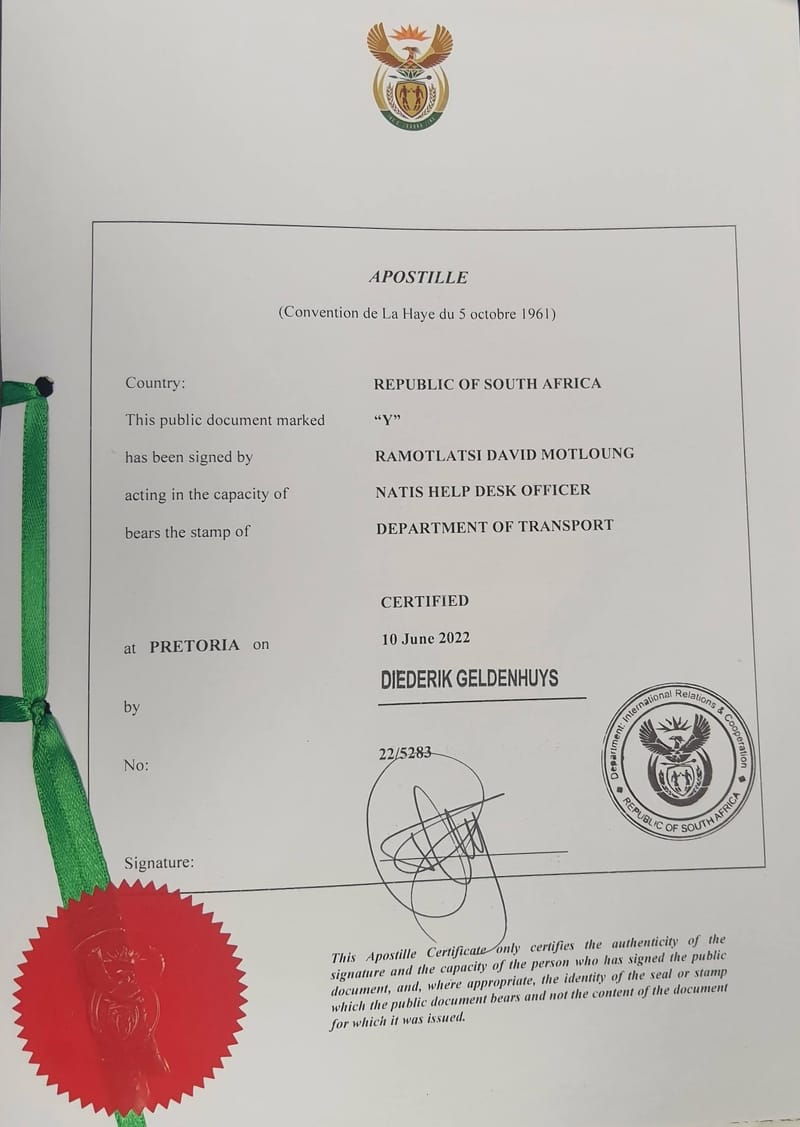
Certified copy of your South African ID
-
Certified copies of qualifications or latest results
-
Proof of address (sometimes required)
Certification must usually be not older than three months.


Creating a Learnership-Friendly CV
Your CV does not need work experience to be effective. Focus on:
-
Education
-
Skills
-
Short courses
-
Volunteer work
-
Computer literacy
-
Communication skills
Keep your CV:
-
1–2 pages long
-
Clear and professional
-
Free of spelling and grammar errors
Step 2: Know Where to Find Legitimate Learnerships
One of the biggest challenges learners face is knowing where to find real learnership opportunities.
Trusted Places to Find Learnerships
-
Company career pages
-
Accredited training provider websites
-
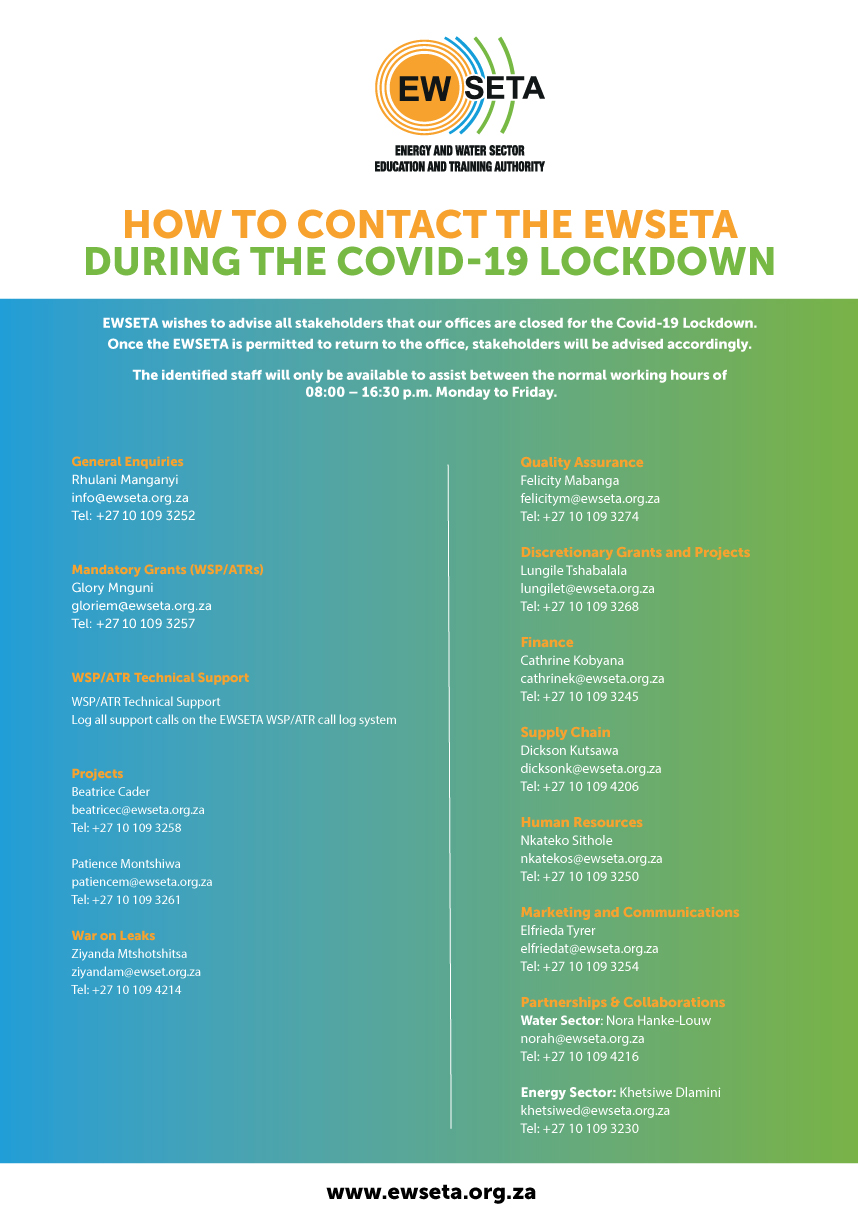
Government and SETA announcements
-
Job portals
-
Educational platforms like learners247.co.za
Avoid relying only on social media posts without verification.

Understanding the Role of SETAs
Learnerships in South Africa are overseen by Sector Education and Training Authorities (SETAs).
SETAs:
-
Register learnerships
-
Accredit training providers
-
Allocate funding
-
Ensure quality standards
Each SETA focuses on a specific economic sector, such as finance, construction, or information technology.
Step 3: Read the Learnership Advertisement Carefully
Many applicants fail because they do not read the advert properly.
Before applying, check:
-
Closing date
-
Required qualifications
-
Age limits
-
Location of the learnership
-
Whether it is for employed or unemployed learners
If you do not meet the minimum requirements, your application will likely not be considered.
Step 4: Submit Your Application Correctly
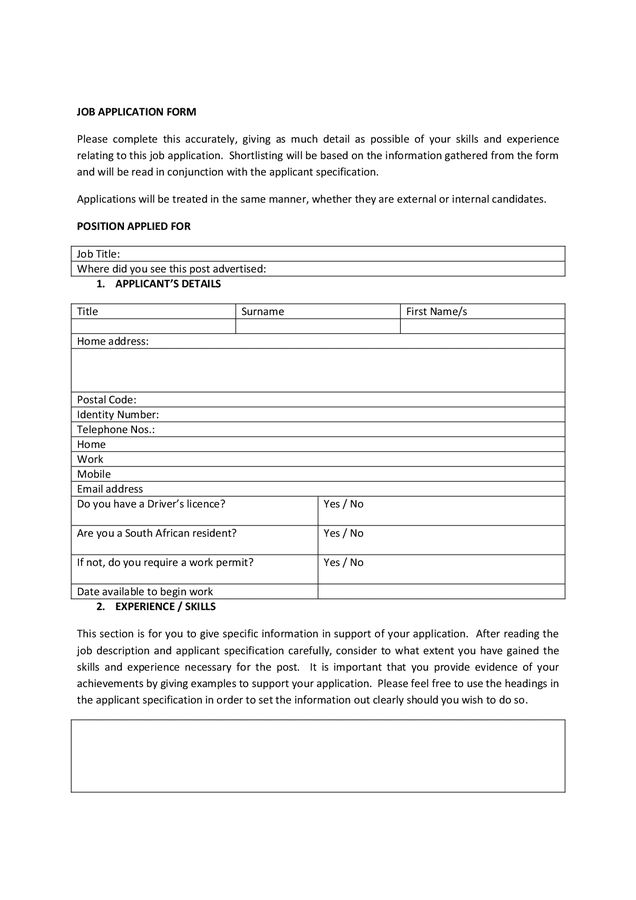
Learnership applications can be submitted in different ways.
Common Application Methods
-
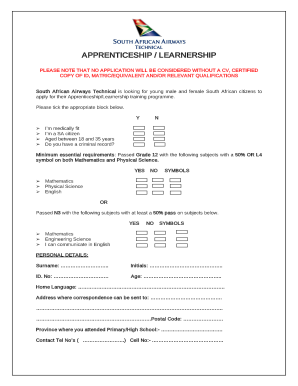
Online application forms
-
Email submissions
-
In-person submissions (less common)
Follow instructions exactly. If the advert says “email documents as a single PDF”, do not send multiple files.
Step 5: Prepare for Assessments and Interviews
If shortlisted, you may be invited to:
-
Write an aptitude test
-
Attend an interview
-
Participate in group assessments
What Employers Look For
-
Willingness to learn
-
Communication skills
-
Reliability
-
Professional behaviour
-
Basic understanding of the industry
You do not need to be perfect. Employers are looking for potential, not experience.
Common Learnership Interview Questions
You may be asked:
-
Why do you want this learnership?
-
What do you know about the company?
-
What are your career goals?
-
How do you handle responsibility?
Answer honestly and confidently.
Step 6: Avoid Learnership Scams
Unfortunately, scams are common in the learnership space.
Warning Signs of Learnership Scams
-
Requests for payment
-
Guarantees of placement
-
Unofficial email addresses
-
Poorly written adverts
-
No company or provider details
Legitimate learnerships are free. You should never pay to apply.


What Happens After You Are Accepted?
Once accepted, you will:
-
Sign a learnership agreement
-
Be registered with a SETA
-
Begin both training and work placement
-
Receive a monthly stipend
Learnerships are fixed-term contracts and must be completed fully to receive certification.
Can You Apply for More Than One Learnership?
Yes. You are encouraged to apply for multiple learnerships as long as:
-
You meet the requirements
-
Application dates do not clash
-
You can commit if selected
Applying widely increases your chances.
Reasons Applications Are Often Rejected
-
Missing documents
-
Not meeting requirements
-
Late applications
-
Poor-quality CV
-
Ignoring instructions
Paying attention to details makes a big difference.
Learnerships for People With Disabilities
South Africa offers dedicated learnerships for people living with disabilities. These programmes:
-
Provide workplace accommodations
-
Focus on inclusion
-
Offer equal qualifications
Applicants may be required to submit medical confirmation, depending on the programme.
What to Do If You Are Not Selected
Rejection is common and not personal.
If unsuccessful:
-
Keep applying
-
Improve your CV
-
Gain short courses or volunteer experience
-
Follow trusted platforms for updates
Persistence is key.
How Long Does It Take to Get a Learnership?
The process can take:
-
A few weeks
-
Several months
Delays are common due to funding cycles and selection processes.
Why Consistent Applications Matter
Many learners give up too early. Successful applicants often:
-
Apply multiple times
-
Improve each application
-
Stay informed
-
Remain patient
Consistency increases opportunity.
How learners247.co.za Helps Learners
Platforms like learners247.co.za exist to:
-
Share verified learnership information
-
Educate learners about application processes
-
Reduce misinformation
-
Support career development
Access to accurate information is critical.
Final Thoughts
Applying for learnerships in South Africa requires patience, preparation, and persistence. While the process can be competitive, learnerships remain one of the most effective ways to gain skills, qualifications, and workplace experience without the burden of tuition fees.
If you take the time to prepare properly and apply consistently, the right opportunity can change your career path.