
Introduction
One of the most common questions asked by learners applying for learnerships is:
“How many learnerships can I apply for at the same time?”
Some applicants worry that applying for too many learnerships will harm their chances, while others believe applying to only one or two shows focus and seriousness. Because there is a lot of conflicting advice online, many learners are unsure what the correct approach is.
The reality is that applying for learnerships is a numbers-and-process-based system, not a personal one. Understanding how the system works helps you apply strategically without fear of doing something wrong.
This article explains how many learnerships you can apply for at once in South Africa, what is allowed, what to avoid, and how to apply responsibly. This is not a guarantee of acceptance, but a clear guide to managing your applications effectively.
Is There a Limit to How Many Learnerships You Can Apply For?
No.
There is no official limit on how many learnerships you can apply for at the same time.
You are allowed to:
-
Apply for multiple learnerships
-
Apply to different companies
-
Apply through different training providers
-
Apply across different industries
Applying to multiple learnerships is normal and expected, especially for unemployed applicants.
Why Applying to Only One Learnership Is Risky
Many first-time applicants make the mistake of applying to one learnership only and then waiting.
This approach is risky because:
-
Learnerships are competitive
-
Many qualified applicants are rejected
-
Selection depends on limited spaces
-
Some programmes are delayed or cancelled
Even strong applications are not always successful. Relying on one opportunity increases disappointment.
Why Applying to Multiple Learnerships Is Encouraged
Applying to multiple learnerships increases your chances of success for practical reasons.
Key Reasons
-
Learnership providers do not coordinate with each other
-
Applications are assessed independently
-
Being rejected by one programme does not affect others
-
High application volumes mean selection is unpredictable
Applying widely is not dishonest or irresponsible — it is realistic.
Is It Wrong to Apply for Many Learnerships?
No.
Applying to many learnerships is not wrong, not unethical, and not frowned upon.
Learnership providers understand that:
-
Applicants need opportunities
-
Not everyone will be selected
-
Many learners apply widely
What matters is how you apply, not how many you apply for.
The Difference Between Applying and Accepting
It is important to separate these two actions:
-
Applying: You may apply to many learnerships
-
Accepting: You may only accept one learnership at a time
You are free to apply broadly, but once you accept and sign a learnership agreement, you must commit to that programme.
When Applying to Too Many Learnerships Becomes a Problem
While there is no numerical limit, problems arise when applications are poorly managed.
Common Issues
-
Using the same CV and motivation letter for everything
-
Applying to learnerships you do not qualify for
-
Forgetting where you applied
-
Accepting interviews you cannot attend
The issue is not quantity — it is lack of organisation.
How Many Learnerships Is Reasonable to Apply For?
There is no perfect number, but a balanced approach is best.
Practical Guidelines (Not Rules)
Many learners successfully apply to:
-
5–15 learnerships over time
-
More if opportunities are limited in their area
The key is to:
-
Apply consistently
-
Apply to suitable opportunities
-
Maintain quality
Applying to zero or one is usually less effective than applying to several.
Should You Apply to Different Types of Learnerships?
Yes, within reason.
You may apply to:
-
Different companies
-
Different industries
-
Different NQF levels (if eligible)
However, your applications should still make sense for your background and availability.
Avoid applying randomly to programmes you cannot commit to.
📌 Managing Multiple Learnership Applications Properly
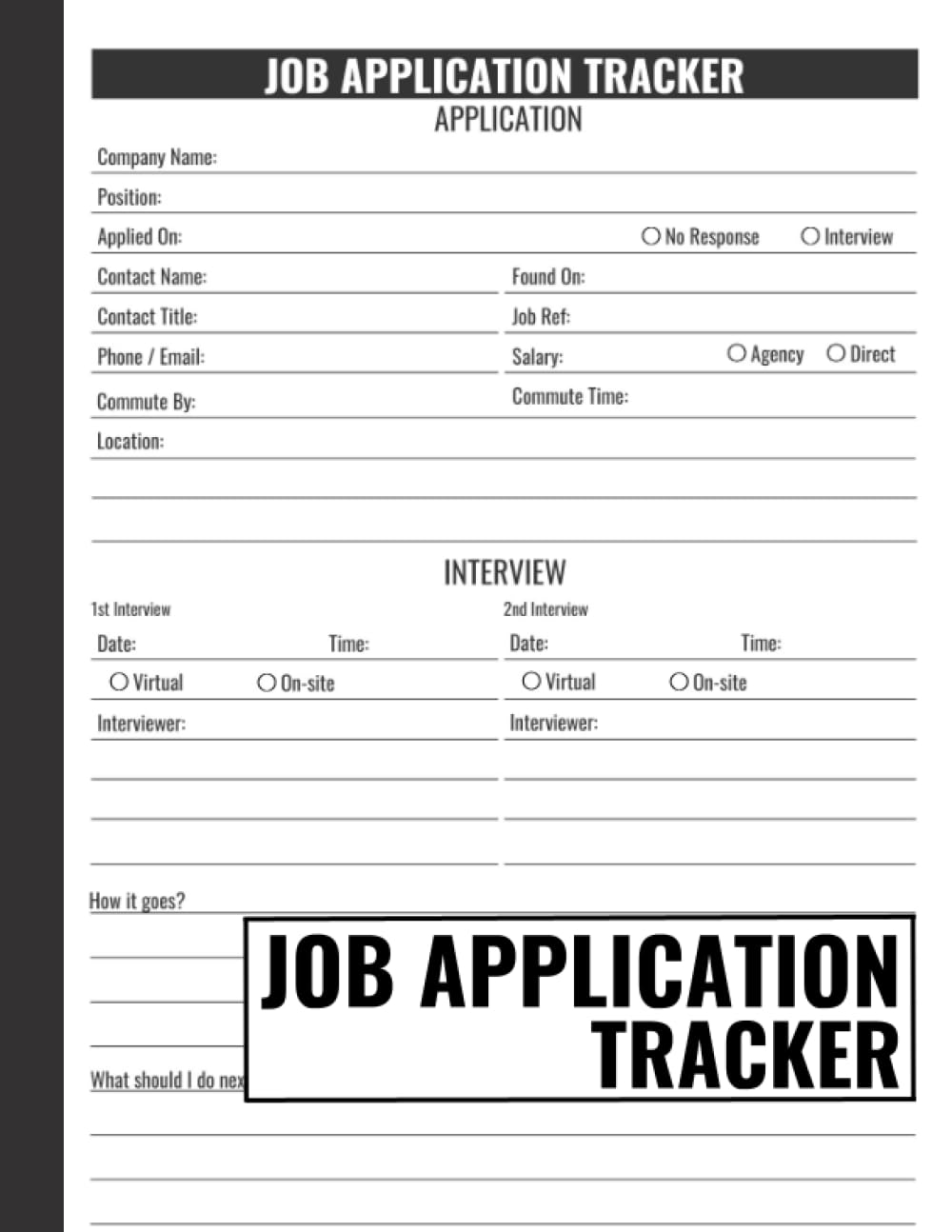

(This image represents a generic, professional stock-style environment, aligned with application tracking and organisation.)
How to Track Your Learnership Applications
Applying to multiple learnerships requires basic organisation.
Simple Tracking Methods
You can track applications using:
-
A notebook
-
A spreadsheet
-
Notes on your phone
Track:
-
Company or provider name
-
Date applied
-
Method used
-
Contact details
-
Status (submitted, shortlisted, no response)
This helps prevent confusion and missed opportunities.
Should You Tailor Each Application?
Yes — but it does not have to be complicated.
What to Tailor
-
Personal profile on your CV
-
Motivational letter (if required)
-
Skills highlighted
You can keep a base CV and adjust small sections for each application.
Can Applying to Too Many Learnerships Get You Blacklisted?
No.
There is no central system that tracks how many learnerships you apply for. Employers and training providers:
-
Do not share applicant lists
-
Do not penalise multiple applications
-
Review applications independently
The only time problems arise is if you behave unprofessionally (e.g. accepting then withdrawing repeatedly).
What If You Are Shortlisted by More Than One Learnership?
This does happen.
If you are shortlisted for multiple programmes:
-
Attend interviews or assessments if possible
-
Be honest about your availability if asked
-
Make a decision if offers are made
You are allowed to choose one offer.
What If You Accept One Learnership and Another Responds Later?
Once you:
-
Sign a learnership agreement
-
Begin the programme
You should not leave it for another offer unless there are serious reasons. Learnerships require commitment and are registered with Sector Education and Training Authorities.
Leaving without good reason can affect future opportunities.
Can You Apply for a Learnership While Waiting for Feedback?
Yes.
Waiting does not mean you must stop applying. In fact:
-
Waiting periods can be long
-
Silence is common
-
Applying keeps momentum
Many learners are accepted after applying to several programmes over time.
How Often Should You Apply?
There is no fixed schedule, but consistency helps.
Examples:
-
Apply whenever suitable opportunities appear
-
Apply weekly if opportunities are available
-
Apply monthly if opportunities are limited
Avoid rushing applications just to increase numbers.
Applying While Studying or Working
If you are:
-
Studying full-time
-
Working full-time
Be cautious.
Most learnerships require:
-
Full-time availability
-
Attendance at training and work
Only apply if you can commit if selected.

Common Mistakes When Applying to Multiple Learnerships
Many applicants struggle because they:
-
Forget application details
-
Miss interviews
-
Submit incorrect documents
-
Apply to unsuitable programmes
Organisation prevents these problems.
Quality vs Quantity: What Matters More?
Both matter, but quality is more important than volume.
It is better to:
-
Submit 10 good applications
than -
Submit 50 poor ones
Each application should still meet requirements and be complete.
Does Applying More Increase Stress?
It can — if not managed properly.
To reduce stress:
-
Stay organised
-
Apply gradually
-
Accept that rejection is normal
-
Focus on preparation, not outcomes
A calm approach leads to better decisions.
What If You Feel Discouraged?
Discouragement is common.
Remember:
-
Many learners apply multiple times before success
-
Rejection is part of the process
-
Applying widely improves exposure
Persistence often matters more than speed.
How learners247.co.za Encourages Smart Applications
Platforms like learners247.co.za support learners by:
-
Promoting informed applications
-
Encouraging preparation over panic
-
Reducing misinformation
-
Helping learners manage expectations
Knowledge helps you apply confidently.
Final Thoughts
There is no limit to how many learnerships you can apply for at once in South Africa. Applying to multiple opportunities is normal, realistic, and often necessary in a competitive system.
What matters is not how many applications you submit, but how prepared, organised, and honest you are in each one. By applying strategically and responsibly, you improve your chances over time without unnecessary stress or mistakes.
Applying widely is not desperation — it is planning.