Introduction
One of the most common questions asked by learners applying for learnerships in South Africa is:
“How long does a learnership application take?”
For many applicants, the waiting period after submitting an application can be stressful and confusing. Some expect a response within days, while others wait months without hearing anything. This uncertainty often leads to frustration, self-doubt, or giving up entirely.
The truth is that learnership application timelines vary, and delays are common. Understanding how the process works, why it takes time, and what you should realistically expect can help you stay patient, prepared, and motivated.
This article explains how long learnership applications usually take in South Africa, the different stages involved, common delays, and what you should (and should not) do while waiting.
Is There a Fixed Timeline for Learnership Applications?
No.
There is no single fixed timeline for learnership applications in South Africa.
Learnerships are influenced by:
-
Funding cycles
-
Employer processes
-
Training provider schedules
-
Regulatory requirements
-
Volume of applications
As a result, some applicants receive feedback within weeks, while others may wait several months.
Understanding the stages of the process helps explain why.
Overview of the Learnership Application Process
A learnership application is not the same as a normal job application. It involves multiple stakeholders, which adds time.
A typical process includes:
-
Application submission
-
Initial screening
-
Shortlisting
-
Assessments or interviews
-
Final selection
-
Contracting and registration
Each stage can take time to complete.
Stage 1: Application Submission
This is the stage where learners:
-
Submit their CV and documents
-
Apply online, by email, or via a provider
-
Meet minimum requirements
How Long This Stage Takes
For applicants:
-
Immediate (you submit and wait)
For organisers:
-
Applications may remain open for several weeks
Many learnerships wait until all applications close before starting reviews.
Stage 2: Initial Screening of Applications
Once applications close, organisers begin screening.
At this stage, they check:
-
Minimum requirements
-
Correct documents
-
Eligibility (age, education, status)
-
Completeness of applications
Applications that do not meet requirements are usually removed at this point.
Timeframe
This stage can take:
-
2 to 6 weeks
-
Longer if there are thousands of applications
High application volumes are common in learnership programmes.
Stage 3: Shortlisting
After screening, a smaller group of candidates is shortlisted.
Shortlisting is based on:
-
Meeting requirements
-
CV quality
-
Motivation letters (if required)
-
Equity or inclusion targets (where applicable)
Only shortlisted candidates move forward.
Timeframe
Shortlisting can take:
-
1 to 4 weeks
-
Sometimes longer if multiple stakeholders are involved
Not all applicants are contacted at this stage.
Stage 4: Assessments and Interviews
Shortlisted candidates may be invited to:
-
Aptitude tests
-
Literacy or numeracy assessments
-
Interviews
-
Group assessments
Not all learnerships include this stage, but many do.
📌 Learnership Assessment and Interview Stage

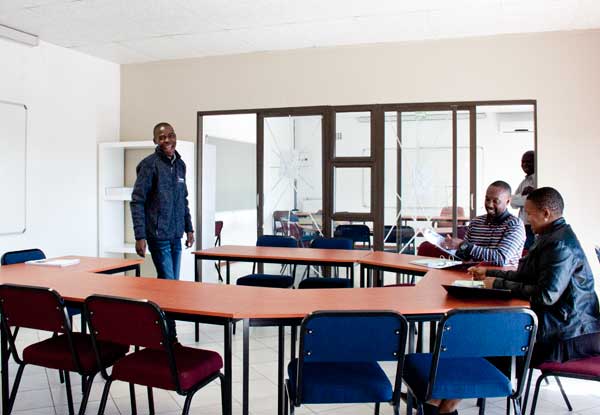

(This image represents a generic, professional assessment environment, similar to Shutterstock editorial stock.)
Timeframe
This stage usually takes:
-
1 to 3 weeks
-
Sometimes longer if assessments are done in batches
Delays can occur if candidates are spread across regions.
Stage 5: Final Selection
After assessments or interviews:
-
Scores are reviewed
-
Final candidates are selected
-
Approval may be required from funders or employers
This is often the longest waiting stage.
Why This Stage Takes Time
Final selection may depend on:
-
Funding confirmation
-
Workplace availability
-
Internal approvals
-
SETA registration requirements
Timeframe
Final selection can take:
-
2 to 8 weeks
-
In some cases, longer
Silence during this stage is common and does not always mean rejection.
Stage 6: Contracting and Registration
Once selected, candidates must:
-
Sign a learnership agreement
-
Submit additional documents
-
Be registered with a Sector Education and Training Authorities (SETAs)
-
Receive start-date confirmation
This is a formal legal process.
Timeframe
This stage may take:
-
1 to 4 weeks
Only after this stage is the learnership officially confirmed.
Total Time: How Long Does the Whole Process Take?
From application to start date, the full process can take:
-
2 to 4 months (common)
-
4 to 6 months (also common)
-
Occasionally longer, depending on circumstances
This timeline is normal in the learnership system.
Why Learnership Applications Take So Long
Several factors contribute to delays.
1. High Number of Applications
Popular learnerships can receive:
-
Hundreds
-
Sometimes thousands
of applications
Each one must be reviewed.
2. Multiple Stakeholders
Learnerships involve:
-
Employers
-
Training providers
-
Funders
-
SETAs
Coordination between these parties takes time.
3. Funding Cycles
Learnerships depend on:
-
Annual budgets
-
Skills development funding
-
Employer commitments
Delays in funding approval affect timelines.
4. Compliance and Regulation
Learnerships must comply with:
-
Labour regulations
-
Education standards
-
Registration requirements
Compliance checks slow the process but protect learners.
Does No Response Mean Rejection?
Not always.
In many cases:
-
Only shortlisted candidates are contacted
-
Rejection notices are not sent
-
Delays occur without updates
Silence does not automatically mean rejection, especially early in the process.
When Should You Follow Up?
Following up can be appropriate, but timing matters.
Acceptable Follow-Up Timing
You may follow up if:
-
The closing date passed 4–6 weeks ago
-
Contact details were provided
-
The advert allows enquiries
How to Follow Up
-
Use email (preferred)
-
Be polite and brief
-
Do not send repeated messages
Example:
“I am writing to kindly enquire about the status of my learnership application submitted on [date].”
What You Should Do While Waiting
Waiting does not mean doing nothing.
Productive Actions While Waiting
-
Continue applying to other learnerships
-
Improve your CV and motivation letter
-
Gain short courses or volunteer experience
-
Follow trusted platforms for updates
Never rely on one application only.
Common Mistakes Applicants Make While Waiting
Avoid these mistakes:
-
Stopping all applications
-
Sending daily follow-up emails
-
Posting complaints publicly
-
Falling for “fast-track” scams
-
Paying people to “speed up” applications
There are no shortcuts.
Learnership Application Myths About Timing
Myth: Fast responses mean acceptance
Truth: Some processes are simply shorter
Myth: Long waiting means rejection
Truth: Delays are common and normal
Myth: Paying someone speeds things up
Truth: Legitimate learnerships are free
How Long After Selection Do Learnerships Start?
Even after selection, start dates may be:
-
Delayed
-
Staggered
-
Dependent on registration
Some learners start immediately, while others wait weeks.
Why Patience Is Essential
Learnerships are long-term opportunities, not instant placements.
Successful learners often:
-
Apply consistently
-
Wait patiently
-
Remain prepared
-
Do not give up after one delay
Patience combined with persistence is key.
How learners247.co.za Helps Learners Manage Expectations
Platforms like learners247.co.za help learners by:
-
Explaining realistic timelines
-
Reducing misinformation
-
Encouraging consistent applications
-
Supporting informed decisions
Clear information reduces unnecessary stress.
What to Do If You Are Not Selected
If you are unsuccessful:
-
Do not take it personally
-
Review your documents
-
Improve your applications
-
Apply again
Many successful learners were rejected multiple times before being accepted.
Final Thoughts
Learnership applications in South Africa take time — often more time than applicants expect. Delays are normal and usually caused by high demand, funding processes, and regulatory requirements.
Understanding the process helps you manage expectations, avoid frustration, and remain proactive. While waiting can be difficult, staying informed, applying consistently, and improving your applications gives you the best chance of success.
Learnerships are competitive, but persistence and preparation make a real difference.