Best Skills to Include on a Learnership CV in South Africa
Introduction
One of the biggest challenges for learnership applicants—especially first-time applicants—is deciding which skills to include on a CV. Many learners believe that because they have no work experience, they also have no skills worth mentioning. As a result, their CVs appear empty, weak, or unfinished.
This belief is incorrect.
Learnerships are designed for people who are still developing their skills. Employers and training providers do not expect advanced technical expertise. Instead, they look for basic, transferable, and behavioural skills that show you are ready to learn, work with others, and complete the programme responsibly.
This article explains the best skills to include on a learnership CV, why these skills matter, how to present them properly, and common mistakes to avoid. This is not a promise of selection, but a practical guide to improving the quality of your CV.
Why the Skills Section Is So Important for Learnerships
In a learnership CV, the skills section often matters more than work experience.
This is because:
-
Many applicants have little or no work history
-
Employers focus on potential, not past jobs
-
Skills show readiness to learn and adapt
A clear skills section helps selectors quickly understand what you can already do and how you might perform in a structured learning environment.
What Type of Skills Do Learnership Providers Look For?
Learnership providers generally look for three broad categories of skills:
-
Basic workplace skills
-
Personal and behavioural skills
-
Entry-level technical or practical skills
You do not need all three at an advanced level. Even basic ability, when presented honestly and clearly, is valuable.
Should You Include Skills If You Have No Experience?
Yes.
Having no work experience does not mean you have no skills.
Skills can come from:
-
School activities
-
Group projects
-
Volunteering
-
Community involvement
-
Helping family businesses
-
Everyday responsibilities
The key is to identify and describe them correctly.
How Many Skills Should You List on a Learnership CV?
A good rule is:
-
6 to 10 relevant skills
Too few skills make the CV look empty.
Too many skills can look unrealistic or copied.
Quality and relevance matter more than quantity.
Where Skills Should Appear on Your CV
For learnership CVs, skills should:
-
Appear after education
-
Be clearly listed
-
Use bullet points
-
Be easy to scan
Avoid hiding skills in long paragraphs.
Core Skills That Work for Almost All Learnerships
Some skills are useful across nearly all learnership fields.
1. Communication Skills
Communication skills are one of the most important qualities learnership providers look for.
This includes:
-
Ability to listen
-
Speaking clearly
-
Writing basic messages or emails
-
Asking questions when unsure
You do not need advanced language ability. Basic, clear communication is enough.
How to list it on your CV:
-
Communication skills
-
Able to follow instructions
-
Able to communicate clearly with others
2. Willingness to Learn
This is one of the most valuable skills for a learnership applicant.
Learnerships exist to teach you. Employers want learners who are:
-
Open to feedback
-
Curious
-
Willing to improve
-
Ready to learn new tasks
How to list it:
-
Willingness to learn
-
Open to training and feedback
-
Motivated to develop new skills
3. Time Management
Learnerships involve:
-
Training schedules
-
Workplace hours
-
Deadlines
-
Assessments
Basic time management shows reliability.
How to list it:
-
Time management skills
-
Able to meet deadlines
-
Punctual and organised
4. Teamwork
Most learnerships involve working with others.
Teamwork skills include:
-
Cooperating with colleagues
-
Respecting others
-
Contributing to group tasks
These skills can come from school or community activities.
How to list it:
-
Teamwork skills
-
Able to work well in a team
-
Cooperative and respectful
📌 Identifying Skills for Your Learnership CV
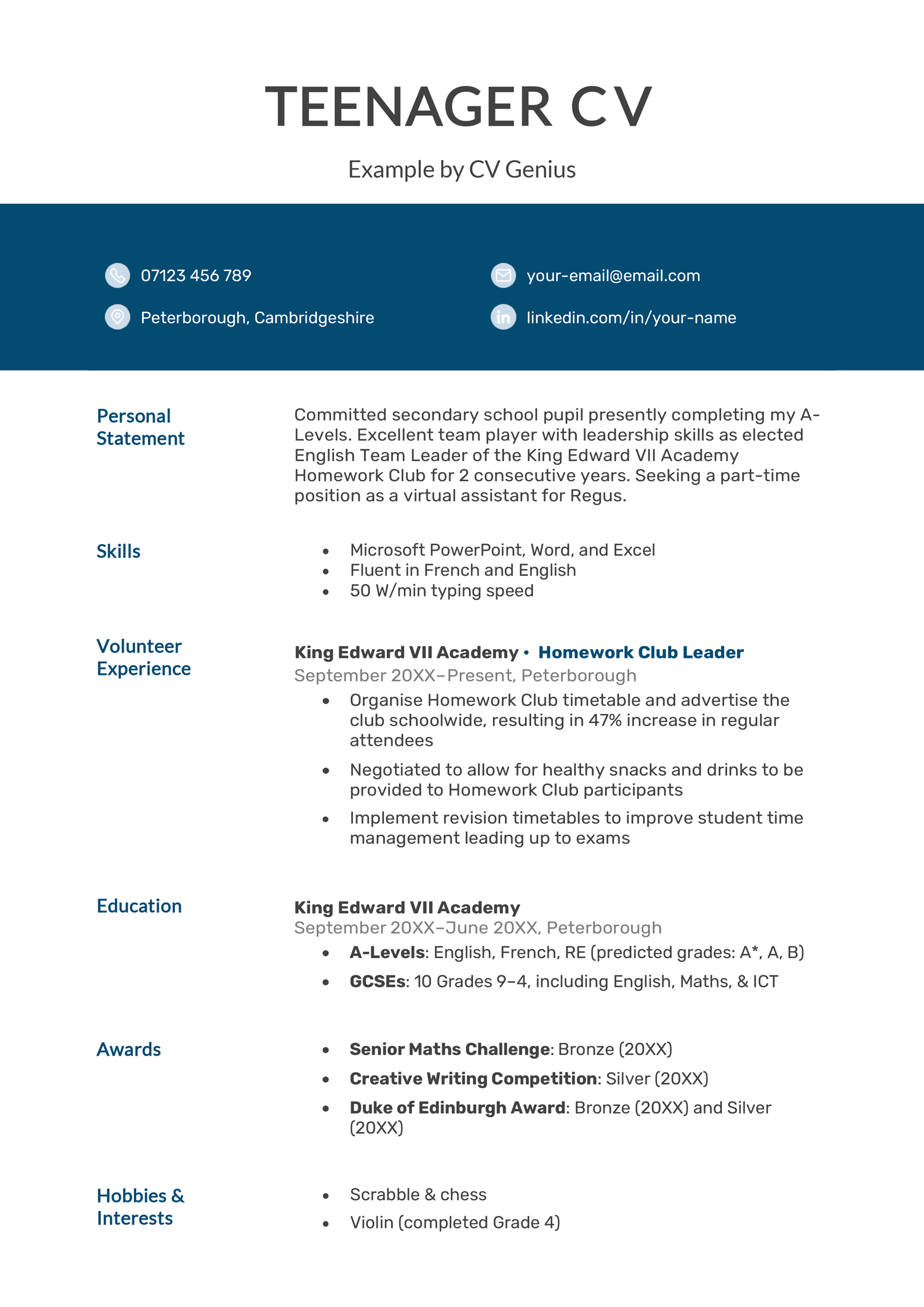
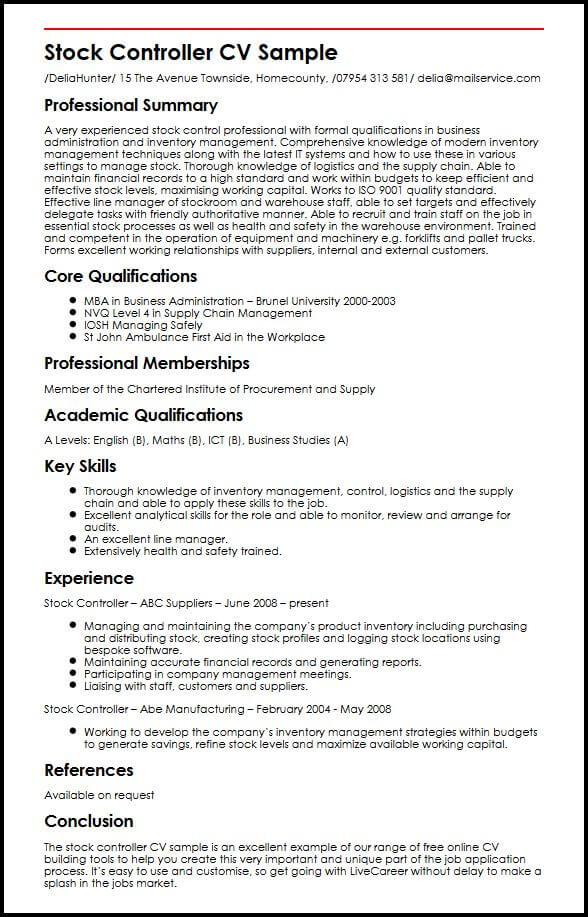
(This image represents a generic, professional stock-style environment, similar to Shutterstock, aligned with CV preparation.)
Personal and Behavioural Skills That Matter
Behavioural skills show how you behave in a work environment.
5. Reliability
Learnership providers need learners who:
-
Arrive on time
-
Attend training consistently
-
Take responsibility seriously
How to list it:
-
Reliable and responsible
-
Consistent attendance
-
Dependable
6. Positive Attitude
A positive attitude is especially important for beginners.
It shows:
-
Openness to learning
-
Ability to handle challenges
-
Willingness to improve
How to list it:
-
Positive attitude
-
Willing to take initiative
-
Open-minded
7. Ability to Follow Instructions
Learnerships involve structured learning.
This skill shows:
-
Discipline
-
Respect for processes
-
Ability to work safely and correctly
How to list it:
-
Able to follow instructions
-
Attentive to detail
-
Compliant with procedures
8. Problem-Solving (Basic Level)
You do not need advanced problem-solving skills.
Even basic examples count:
-
Finding solutions at school
-
Helping resolve small issues
-
Asking for help appropriately
How to list it:
-
Basic problem-solving skills
-
Able to ask questions when unsure
Entry-Level Technical Skills (If Applicable)
Technical skills depend on the learnership field.
You should only list skills you genuinely have.
9. Basic Computer Skills
Many learnerships require basic computer use.
This may include:
-
Typing
-
Using email
-
Basic Microsoft Word
-
Simple data entry
How to list it:
-
Basic computer skills
-
Familiar with Microsoft Word
-
Able to use email
10. Customer Service Skills (Entry Level)
For retail, call centre, or admin learnerships.
This can include:
-
Assisting people politely
-
Listening to requests
-
Basic problem handling
How to list it:
-
Basic customer service skills
-
Able to assist and communicate politely
Skills for Learnerships Without Matric
If you do not have matric, skills matter even more.
Good skills to highlight include:
-
Physical stamina
-
Ability to follow safety rules
-
Practical skills
-
Reliability
Examples:
-
Able to perform physical tasks
-
Safety-conscious
-
Willing to learn practical skills
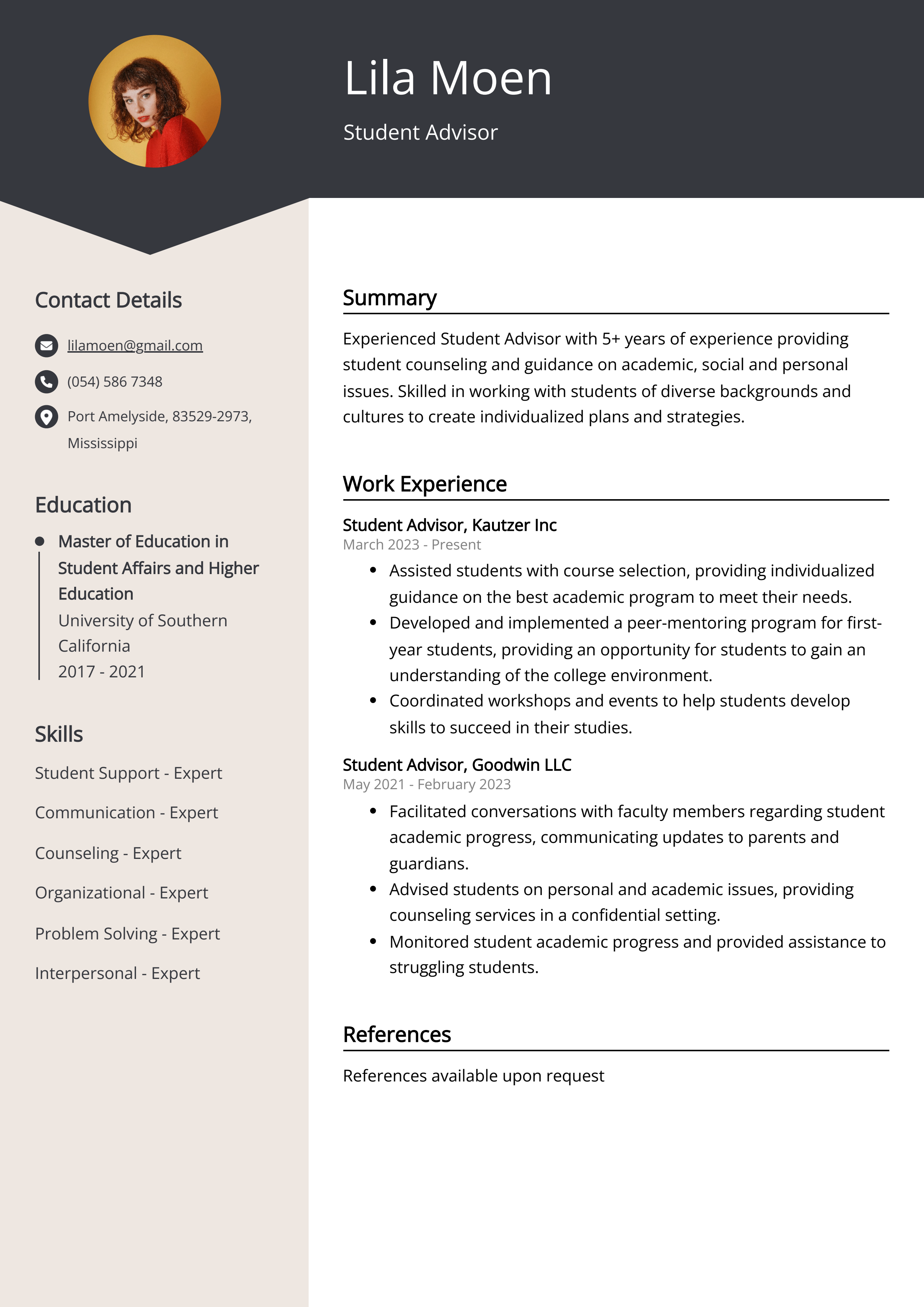 Skills for Matriculants With No Experience
Matriculants can highlight:
-
School projects
-
Group work
-
Leadership roles
-
Subject-related skills
Examples:
-
Group project experience
-
Basic research skills
-
Organisational skills
Skills You Should Avoid Listing
Some skills harm your CV more than help.
Avoid:
-
“Hardworking” with no context
-
Too many advanced skills
-
Skills you cannot explain
-
Copy-pasted skill lists
Be honest and realistic.
How to Match Skills to the Learnership
Before applying:
-
Read the learnership advert
-
Identify required skills
-
Match your skills to those needs
This makes your CV more relevant.
How to Write Skills Clearly on Your CV
Use:
-
Bullet points
-
Simple wording
-
Honest descriptions
Example:
Skills
-
Communication skills
-
Willingness to learn
-
Basic computer skills
-
Time management
-
Teamwork
Avoid long paragraphs.
Can You Improve Your Skills Before Applying?
Yes.
You can:
-
Take free short courses
-
Volunteer
-
Practice computer skills
-
Join community activities
Improving skills strengthens your CV over time.
Skills vs Experience: What Matters More?
For learnerships:
-
Skills and attitude matter more than experience
Experience can be gained during the learnership. Skills show readiness.
How Skills Affect Shortlisting
During screening, selectors often:
-
Scan CVs quickly
-
Look for relevant skills
-
Remove CVs with no skills listed
A clear skills section helps your CV stand out.
Common Skill-Related Mistakes
Many CVs fail because:
-
No skills are listed
-
Skills are unrealistic
-
Skills do not match the learnership
-
Skills are copied from templates
Avoid these errors.
How learners247.co.za Helps Learners Identify Skills
Platforms like learners247.co.za help learners by:
-
Explaining what skills matter
-
Showing how to present skills
-
Reducing misinformation
-
Supporting beginners step by step
Understanding skills builds confidence.
Final Thoughts
You do not need years of experience to create a strong learnership CV. By identifying and clearly listing your real, relevant skills, you show learnership providers that you are ready to learn, participate, and grow.
Skills are not about being perfect. They are about being prepared.
A clear, honest skills section helps your CV get noticed and improves your chances of being considered—without making promises or exaggerations.