Rotary Peace Fellowship Has A Calm Guide for People Who Want to Work on Real-World Problems 2026
The Thought Many People Have but Don’t Say Out Loud
If you care about social issues — conflict, inequality, governance, community development — you’ve probably asked yourself something like:
-
“How do people actually get trained to work on peace and development?”
-
“Is there a proper path into this work, or do you just volunteer forever?”
-
“Are there serious study options for people who want to make a difference without being politicians?”
These are real questions, especially in South Africa where many young people are already exposed to social challenges from a young age.
One opportunity that quietly supports people who want to work on peace, development, and leadership is the Rotary Peace Fellowship.
This guide explains what it really is, who it’s meant for, and how to think about it realistically — without hype or pressure.
What the Rotary Peace Fellowship Actually Is
The Rotary Peace Fellowship is a fully funded study and training opportunity focused on:
-
Peacebuilding
-
Conflict resolution
-
Development
-
Leadership
It is supported by Rotary International and delivered through selected universities around the world.
In simple terms:
Rotary supports people who want to study peace and development seriously, and then apply that knowledge in the real world.
This is not casual volunteering.
It is structured, academic, and practical.
Why Rotary Invests in Peace and Leadership
Rotary is a global organisation that works on:
-
Education
-
Health
-
Community development
-
Peace initiatives
They understand something important:
Peace is not just about ending conflict — it’s about building systems that prevent it.
By supporting education in peace and development, Rotary helps train people who can:
-
Work in NGOs
-
Support community programmes
-
Influence policy
-
Strengthen institutions
Who This Fellowship Is Really For
Let’s be honest here, because clarity matters.
The Rotary Peace Fellowship is generally suited for people who:
-
Have completed an undergraduate degree
-
Have some work or community experience
-
Are interested in social impact, development, or peace work
-
Are comfortable with responsibility and reflection
It is not:
-
A quick qualification
-
A travel opportunity
-
A general scholarship for any field
It is meant for people who are serious about working with communities, systems, and people.
A South African Example That Makes Sense
Imagine this:
You studied Political Science, Law, International Relations, Social Work, or Development Studies. You’ve worked in an NGO, community organisation, school, or government department. You’ve seen how conflict, inequality, or weak systems affect people daily.
You want deeper skills — not just passion.
The Rotary Peace Fellowship could support you to:
-
Study peace and development at an international university
-
Learn conflict resolution and leadership skills
-
Return home better equipped to contribute meaningfully
That’s the kind of journey this fellowship supports.
📌 Learning Peacebuilding in a Global Classroom
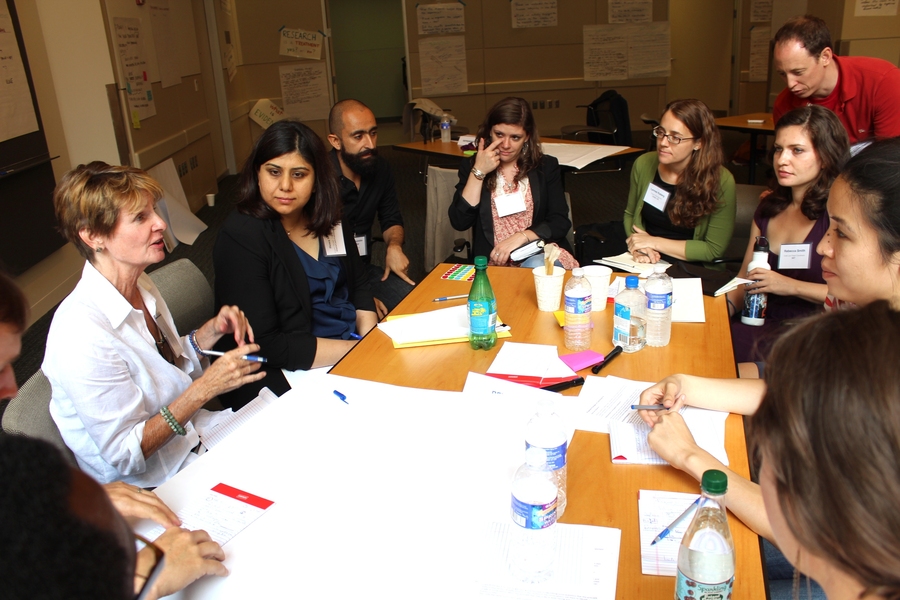
(One generic, royalty-free, stock-style image representing peace and development studies.)
What Kind of Study Does the Fellowship Support?
Rotary Peace Fellowships generally support:
-
Master’s degrees focused on peace and development
-
Professional certificate programmes in peace studies
The exact structure depends on the programme and university.
What matters most is:
The study must clearly connect to peace, conflict resolution, or development.
What Support Is Usually Included
While details vary by programme, the fellowship typically covers:
-
Tuition fees
-
Living expenses
-
Travel support
-
Study-related costs
The intention is to allow you to:
Focus on learning and growth, not financial survival.
Do You Need Work Experience?
Yes — experience matters here.
Experience can include:
-
NGO or community work
-
Government or policy roles
-
Teaching or social services
-
Research or advocacy
-
Volunteer leadership roles
Rotary values people who have:
Already engaged with real-world challenges, not only theory.
A Common Misunderstanding That Causes Rejections
Many applicants think:
-
“I must sound impressive”
-
“I must use big academic language”
-
“I must exaggerate my impact”
This often backfires.
Rotary looks for:
-
Honesty
-
Reflection
-
Clear motivation
-
Realistic goals
It’s better to explain what you’ve learned, not how amazing you think you are.
How Selection Panels Usually Think
Panels are trying to understand:
-
Why peace and development?
-
Why this path?
-
How have your experiences shaped you?
-
How will you use this training afterwards?
They are not looking for perfect people.
They are looking for grounded, thoughtful individuals.
What the Application Journey Feels Like (Real Talk)
Most applicants go through:
-
Excitement when they discover the opportunity
-
Doubt when writing personal statements
-
Nervousness before submission
That’s normal.
Strong applications come from:
-
Early preparation
-
Honest reflection
-
Clear connections between past and future
How to Think About Your Motivation
Ask yourself honestly:
-
What problem do I care about?
-
Where did that concern come from?
-
What skills do I still lack?
-
How would this training help me serve better?
If you can answer those clearly, you’re already on the right path.
Where to Apply (Official Information Only)
All legitimate Rotary Peace Fellowship applications are handled through the official Rotary Peace Fellowship platform.
👉 Apply here:
https://www.rotary.org/en/our-programs/peace-fellowships
This is the only official and trusted link for Rotary Peace Fellowship applications.
Should You Apply If You’re Not Sure You’re “Good Enough”?
Many strong candidates doubt themselves.
If you:
-
Meet the academic requirements
-
Have relevant experience
-
Are willing to reflect deeply and prepare properly
Then applying is reasonable.
Even if you’re not selected, the process helps you:
-
Clarify your goals
-
Understand peace and development work better
-
Grow personally and professionally
Life After the Fellowship
Many Rotary Peace Fellows:
-
Work in NGOs and international organisations
-
Support peacebuilding and development projects
-
Contribute to policy and governance
-
Continue leadership roles in their communities
The impact is usually gradual and long-term.
Why This Opportunity Is Worth Understanding
The Rotary Peace Fellowship doesn’t promise fame or quick success.
What it offers is:
-
Serious training
-
Strong networks
-
Clear purpose
-
Long-term impact potential
For people who want to work on real-world social challenges, it’s worth careful consideration.
Final Words (Straight and Respectful)
If you feel drawn to peace and development work, that’s not random. It usually comes from lived experience and concern for others.
The Rotary Peace Fellowship exists for people who want to:
-
Learn deeply
-
Lead responsibly
-
Serve thoughtfully
You don’t need to be perfect.
You need to be honest, prepared, and committed.