WHO LEANERS Internship Programme : A Global Health Career Opportunity for Students and Graduates 2026
Introduction
Public health plays a critical role in protecting lives, strengthening health systems, and improving well-being across the world. One international organisation at the centre of global health efforts is the World Health Organization, commonly known as WHO.
WHO works with countries, institutions, and partners to address health challenges such as disease prevention, health policy, emergency response, and healthcare access. As part of its commitment to capacity building and knowledge sharing, WHO offers a structured Internship Programme for students and recent graduates interested in public health and related fields.
This article provides a detailed, evergreen, and factual overview of the WHO Internship Programme, including what it involves, who it is designed for, what interns typically do, and where to apply. This content is informational only and does not guarantee placement, funding, or employment.
What Is the WHO Internship Programme?
The WHO Internship Programme is a temporary, structured work-based learning opportunity that allows students and graduates to gain professional exposure within an international public health organisation.
The programme is designed to:
-
Support academic learning through practical experience
-
Develop professional and analytical skills
-
Introduce interns to global health systems and policy work
-
Build understanding of international health cooperation
Internships are fixed-term and focus on learning and contribution rather than permanent employment.
Why WHO Offers Internships
WHO offers internships to:
-
Develop future public health and health policy professionals
-
Strengthen research, technical, and operational capacity
-
Encourage knowledge exchange between students and experts
-
Promote diversity and inclusion in global health institutions
Interns contribute to meaningful health-related work while gaining real-world professional experience.
Areas of Work Covered by WHO Internships
WHO internships are offered across a wide range of technical and professional areas, depending on organisational needs.
Common areas include:
-
Public health and epidemiology
-
Health policy and systems strengthening
-
Disease prevention and control
-
Health research and data analysis
-
Emergency preparedness and response
-
Nutrition and health promotion
-
Environmental and occupational health
-
Communications and public information
-
Programme coordination and administration
-
Information technology and digital health
Available opportunities vary throughout the year and by department.
Who Can Apply for a WHO Internship?
Eligibility requirements may vary by role, but the programme is generally open to:
-
Students enrolled in undergraduate or postgraduate studies
-
Recent graduates within the accepted timeframe
-
Individuals with academic backgrounds relevant to health or development
-
Applicants who can commit to the full internship duration
Applicants must meet the specific criteria outlined in each internship listing.
Academic Backgrounds Commonly Considered
Applicants often come from fields such as:
-
Public health
-
Medicine and health sciences
-
Epidemiology and biostatistics
-
Nursing and allied health fields
-
Environmental health
-
Social sciences
-
International relations and development studies
-
Data science and statistics
-
Communications and media studies
-
Information technology
Relevance to the internship role is more important than the exact qualification title.
Skills and Qualities WHO Values
Successful interns often demonstrate:
-
Interest in public health and global health issues
-
Strong analytical or research skills
-
Ability to work in multicultural environments
-
Clear written and verbal communication
-
Organisational and time-management skills
-
Willingness to learn and adapt
Previous professional experience is not always required.
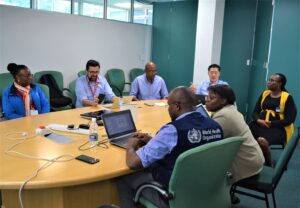
📌 Internship Work Environment in an International Health Organisation

(One generic, royalty-free, stock-style image representing a professional international health work environment.)
Duration and Structure of the Internship
WHO internships:
-
Are fixed-term
-
Typically last several weeks to a few months
-
Follow structured learning objectives
-
Include supervision and professional guidance
Interns are expected to participate responsibly and complete assigned tasks throughout the programme.
What WHO Interns Typically Do
Intern responsibilities vary by department but may include:
-
Supporting public health research and analysis
-
Assisting with health programmes and initiatives
-
Preparing reports, briefs, and presentations
-
Supporting policy reviews and documentation
-
Assisting with communications or outreach activities
-
Providing administrative or coordination support
Tasks are designed to balance learning with meaningful contribution.
Do WHO Internships Pay?
Some WHO internships may include financial support or stipends, depending on programme structure and location. Any support provided is intended to assist interns with basic living costs during the internship period.
Details regarding financial support are communicated during the official application process.
What the Internship Does Not Guarantee
Applicants should clearly understand that:
-
Internships do not guarantee employment
-
Completion does not ensure job offers
-
Selection is competitive
-
Outcomes depend on individual performance and organisational needs
The programme is intended as a learning and exposure opportunity.
How Competitive Is the WHO Internship Programme?
The WHO Internship Programme is competitive due to:
-
Global interest from students and graduates
-
Limited internship placements
-
High relevance of academic and professional backgrounds
Meeting minimum eligibility requirements does not guarantee selection.
Documents Commonly Required When Applying
Applicants are usually required to submit:
-
An updated CV or résumé
-
Proof of enrolment or graduation
-
Supporting documents if requested
Each internship listing clearly outlines required documents.
Official WHO Internship Application Link
All legitimate WHO internship opportunities are published through the official WHO careers platform.
👉 Apply here:
https://careers.who.int/careersection/internship/jobsearch.ftl
This is the only official and trusted link to search and apply for WHO internships worldwide.
How the Application Process Works
Applicants generally need to:
-
Create an online applicant profile
-
Search available internship opportunities
-
Complete application forms
-
Upload required documents
-
Monitor application status through the platform
Each opportunity includes specific instructions and timelines.
Preparing a Strong Application
While selection cannot be guaranteed, applicants can prepare by:
-
Aligning their CV with public health or health-related skills
-
Highlighting academic, research, or project experience
-
Demonstrating interest in global health challenges
-
Following application instructions carefully
Preparation improves application quality.
Avoiding Internship Scams
To stay safe:
-
Apply only through the official WHO careers website
-
Avoid third-party sites promising guaranteed placement
-
Do not pay application or processing fees
-
Verify communications through official channels
Legitimate opportunities are transparent and process-driven.
Why Global Health Internships Matter
Internships in global health help individuals:
-
Understand real-world public health challenges
-
Build transferable analytical and professional skills
-
Gain international work exposure
-
Strengthen long-term career readiness
They contribute to stronger health systems and global cooperation.
Final Thoughts
The WHO Internship Programme offers students and graduates a structured opportunity to gain professional experience within a leading global health organisation. The programme prioritises learning, contribution, and skill development rather than guaranteed employment outcomes.
Applicants who meet the requirements and apply through official channels enter a fair and transparent process. Preparation, patience, and realistic expectations remain essential.
This article is intended to inform and guide — not to guarantee selection or employment.