
Introduction
Around the world, millions of students and job seekers look for opportunities that can help them study, gain experience, or enter the workforce without carrying the full burden of costs or lack of experience. In this search, four terms appear frequently:
-
Scholarships
-
Bursaries
-
Internships
-
Learnerships
Although these opportunities are often mentioned together, they are not the same, and misunderstanding the difference can lead to missed opportunities or incorrect applications.
This article provides a clear, evergreen, and globally relevant explanation of scholarships, bursaries, internships, and learnerships. It explains how each one works, who they are designed for, how they differ, and how they can support education and career development across different countries.
This is not a promise of funding or employment. It is a reliable informational guide designed to help readers make informed decisions.
Why Understanding These Opportunities Matters
Education and work pathways are not the same everywhere in the world. However, the core purpose of scholarships, bursaries, internships, and learnerships is similar globally:
-
To improve access to education
-
To develop skills
-
To support career readiness
-
To reduce barriers to employment
Understanding the correct meaning of each option helps applicants:
-
Apply to the right opportunity
-
Prepare correct documents
-
Set realistic expectations
-
Avoid scams or misinformation
What Is a Scholarship?
A scholarship is a form of financial support awarded to students to help pay for education-related costs. Scholarships are usually based on academic merit, talent, leadership, or specific achievements, although some also consider financial need.
Key Characteristics of Scholarships
-
Usually focused on academic or personal achievement
-
Often competitive
-
May be fully funded or partially funded
-
Can be local, national, or international
-
Usually does not require repayment
Scholarships are commonly offered by:
-
Governments
-
Universities
-
Foundations
-
International organisations
-
Private institutions
What Is a Bursary?
A bursary is financial assistance provided primarily based on financial need. While academic performance may still matter, bursaries are often designed to support students who would otherwise struggle to afford education.
Key Characteristics of Bursaries
-
Focus on financial need
-
May include academic requirements
-
Often linked to a specific field of study
-
Sometimes include conditions (such as working after graduation)
-
Usually does not require repayment, unless conditions are breached
Bursaries are common worldwide, particularly in countries where access to education is closely tied to income level.
What Is an Internship?
An internship is a structured work experience programme designed to help individuals gain practical exposure in a professional environment. Internships are often short-term and may be paid or unpaid, depending on the country, organisation, and industry.
Key Characteristics of Internships
-
Focus on work experience
-
Usually short-term (weeks or months)
-
May be paid, partially paid, or unpaid
-
Often aimed at students or recent graduates
-
Does not always lead to a qualification
Internships are widely used across the world to help individuals transition from education into employment.
What Is a Learnership?
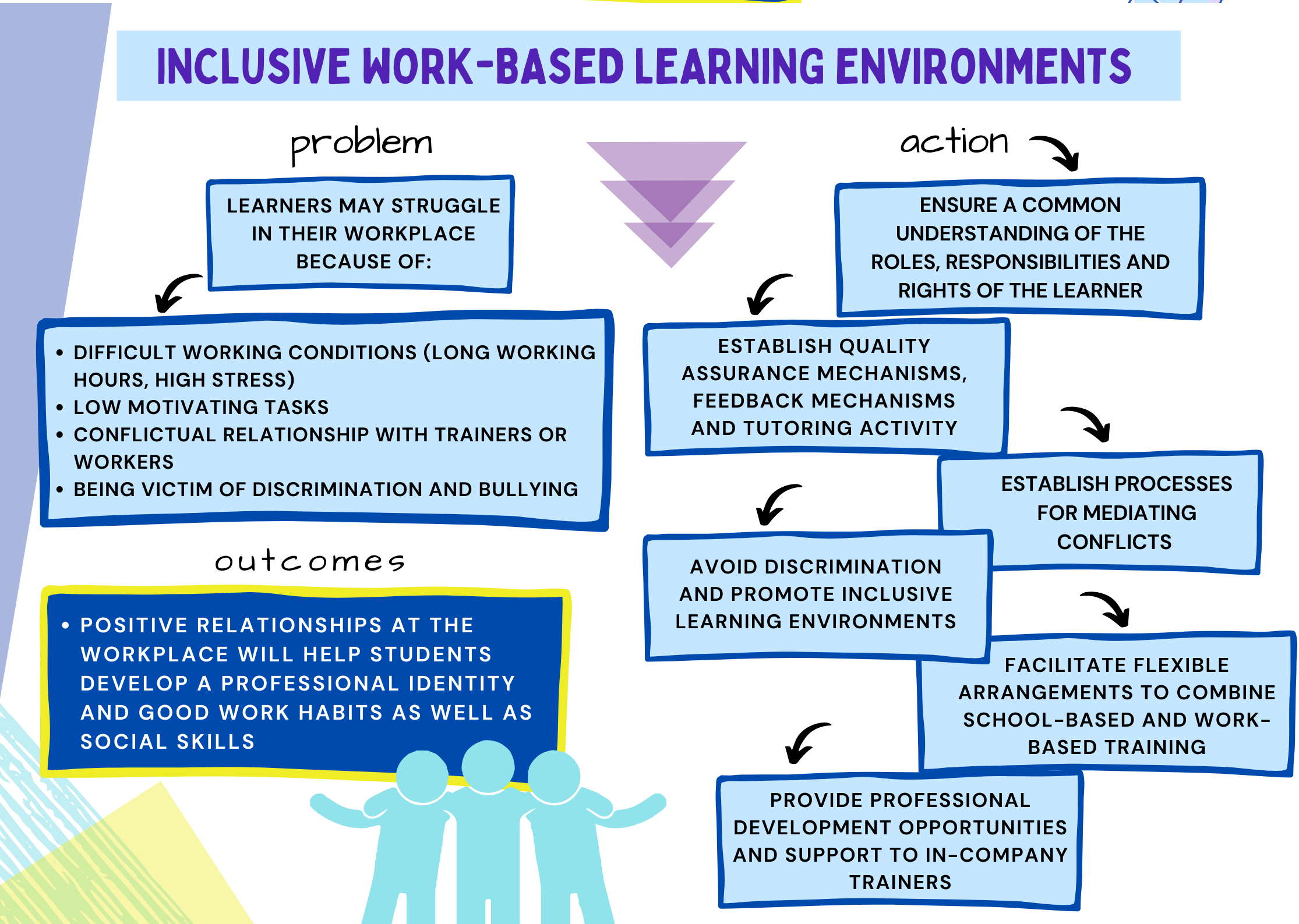
A learnership is a structured programme that combines formal learning with practical workplace experience. Unlike internships, learnerships usually lead to a recognised qualification and follow a formal training framework.
Key Characteristics of Learnerships
-
Combines education and work
-
Leads to a recognised qualification or certification
-
Usually longer than internships
-
Often includes a stipend or allowance
-
Requires formal assessments
While the term “learnership” is used more commonly in some regions, similar programmes exist globally under different names, such as vocational training or work-based learning programmes.
📌 Visual Overview of Education-to-Work Pathways

(This image represents a generic, royalty-free, stock-style educational and workplace environment suitable for global use.)
Key Differences at a Glance
| Opportunity | Main Focus | Financial Support | Work Experience | Qualification |
|---|---|---|---|---|
| Scholarship | Education | Yes | No | Yes |
| Bursary | Education (Need-Based) | Yes | Sometimes | Yes |
| Internship | Work Experience | Sometimes | Yes | Not usually |
| Learnership | Education + Work | Yes (Stipend) | Yes | Yes |
Each option serves a different purpose, and none is universally “better” than the others.
Who Should Consider a Scholarship?
Scholarships are suitable for individuals who:
-
Have strong academic or personal achievements
-
Meet specific eligibility criteria
-
Want to focus primarily on education
-
Are prepared for competitive selection processes
Scholarships are especially common for international study, postgraduate education, and specialised fields.
Who Should Consider a Bursary?
Bursaries are suitable for individuals who:
-
Have financial need
-
Meet minimum academic requirements
-
Want support to access or continue education
-
Are willing to meet any attached conditions
Bursaries are often linked to skills shortages in certain fields.
Who Should Consider an Internship?
Internships are suitable for individuals who:
-
Want practical work experience
-
Are transitioning from education to employment
-
Want to explore a career field
-
Need experience to strengthen their CV
Internships are valuable even when they do not guarantee employment.
Who Should Consider a Learnership?
Learnerships are suitable for individuals who:
-
Want both education and work experience
-
Prefer structured learning environments
-
Want recognised qualifications alongside experience
-
Are willing to commit for a fixed duration
Learnerships are particularly useful for people entering the workforce for the first time.
Can You Do More Than One of These?
Yes, depending on circumstances.
For example:
-
A student may receive a bursary and later complete an internship
-
A graduate may complete a learnership after finishing studies
-
A scholarship recipient may later pursue work experience
These opportunities often complement each other rather than compete.
Are These Opportunities Available Worldwide?
Yes.
While names and structures may differ:
-
Scholarships and bursaries exist globally
-
Internships are common across industries worldwide
-
Learnership-style programmes exist under vocational or apprenticeship systems
The underlying goal is the same: skills development and access to opportunity.
Are These Opportunities Guaranteed?
No.
It is important to be clear:
-
None of these options guarantee funding, qualification completion, or employment
-
Selection depends on eligibility, availability, and competition
-
Outcomes vary based on individual effort and circumstances
Responsible information avoids unrealistic expectations.
How to Choose the Right Option
When deciding which option suits you best, consider:
-
Your current education level
-
Financial situation
-
Career goals
-
Time availability
-
Willingness to commit
Choosing the right pathway improves long-term outcomes.
Avoiding Scams and Misinformation
Globally, education and job-related scams exist.
General safety tips:
-
Avoid opportunities that require upfront payment
-
Verify organisations through official websites
-
Be cautious of guaranteed outcomes
-
Read terms and conditions carefully
Legitimate opportunities focus on process, not promises.
Why These Opportunities Matter Globally
Education and skills development remain central to:
-
Economic growth
-
Social mobility
-
Workforce readiness
-
Personal development
Scholarships, bursaries, internships, and learnerships help bridge gaps between potential and opportunity.
Final Thoughts
Scholarships, bursaries, internships, and learnerships each play an important role in global education and employment systems. They are not interchangeable, and understanding their differences allows individuals to apply more effectively and make informed decisions.
No opportunity guarantees success, but access to the right information increases preparedness. By choosing pathways aligned with your goals and situation, you can build skills, experience, and knowledge in a realistic and sustainable way.
This article is designed to inform, not promise—because informed decisions lead to better outcomes.