Introduction
Applying for learnerships can be discouraging, especially when you submit multiple applications and receive no response or rejection. Many learners assume rejection means they are not good enough, not qualified, or unlucky. In reality, most learnership applications are rejected for preventable reasons.
Learnership providers often receive hundreds or even thousands of applications for limited spaces. When reviewing these applications, they follow strict screening processes. Small mistakes, missing documents, or misunderstandings about requirements can easily result in rejection — even if the applicant had potential.
This article explains the most common reasons learnership applications are rejected in South Africa, so you can understand what goes wrong and how to avoid the same mistakes. This is not a guarantee of acceptance, but it is a practical guide to reducing avoidable rejection.
Rejection Does Not Always Mean You Are Unqualified
Before looking at the reasons, it is important to understand this:
Rejection does not always reflect your ability or potential.
In many cases:
-
Applications are rejected automatically
-
Requirements were not met exactly
-
Documents were missing or unclear
-
Instructions were ignored
Understanding the system helps you apply smarter, not harder.
1. Not Meeting the Minimum Requirements
This is the most common reason applications are rejected.
What This Means
Every learnership has minimum requirements, such as:
-
Education level (e.g. Grade 12, Grade 10, or higher)
-
Age range
-
Subject requirements (English, Maths, etc.)
-
Employment status (employed or unemployed)
If you do not meet all required criteria, your application is usually rejected immediately.
Why This Happens
Many applicants:
-
Apply without reading the advert carefully
-
Hope to be “considered anyway”
-
Apply to everything without checking eligibility
How to Avoid This
-
Read the advert line by line
-
Apply only if you meet the stated requirements
-
Do not rely on assumptions
Meeting requirements is not optional.
2. Missing or Incomplete Documents
Even qualified applicants are often rejected because their applications are incomplete.
Commonly Missing Documents
-
Certified copy of ID
-
Certified copies of qualifications
-
Updated CV
-
Proof of address (if required)
Some applications are rejected automatically if even one document is missing.
Why This Happens
-
Applicants rush submissions
-
Documents are forgotten
-
Certification is outdated
-
Files fail to upload properly
How to Avoid This
-
Use an application checklist
-
Double-check attachments before sending
-
Confirm files open correctly
Completeness matters as much as eligibility.
3. Submitting Documents in the Wrong Format
Many learnership adverts specify how documents must be submitted.
Examples of Format Issues
-
Sending photos instead of PDFs
-
Uploading separate files instead of one combined file
-
Using unclear file names
-
Submitting handwritten documents
Even if your information is correct, incorrect formatting can lead to rejection.
How to Avoid This
-
Follow instructions exactly
-
Use PDF format unless stated otherwise
-
Name files clearly and professionally
Instructions are part of the assessment.
4. Poor-Quality CVs
A CV is often the first document reviewed. A weak CV can result in rejection even if requirements are met.
Common CV Problems
-
Spelling and grammar mistakes
-
No clear structure
-
Too long or too short
-
False or exaggerated information
-
Unprofessional email addresses
For learnerships, a CV does not need experience, but it must be clear and honest.
How to Improve
-
Keep your CV 1–2 pages
-
Focus on education and skills
-
Use simple language
-
Proofread carefully
A clean CV shows seriousness.
5. Generic or Copied Motivational Letters
If a motivational letter is required, a weak one can cause rejection.
Common Mistakes
-
Copying letters from the internet
-
Using the same letter for every application
-
Writing very long or emotional letters
-
Repeating the CV word-for-word
Selectors can easily recognise copied content.
How to Avoid This
-
Write in your own words
-
Tailor each letter slightly
-
Be clear, honest, and professional
Effort is visible.
6. Applying After the Closing Date
Late applications are almost always rejected.
Why Late Applications Are Not Accepted
-
Systems close automatically
-
Fairness requires deadlines
-
High volumes make late review impractical
Even strong candidates are rejected if they apply late.
How to Avoid This
-
Apply early
-
Do not wait until the last day
-
Prepare documents in advance
Timing matters.
7. Ignoring Application Instructions
Instructions are part of the screening process.
Examples of Ignored Instructions
-
Using the wrong email address
-
Incorrect subject line
-
Applying via email instead of online form
-
Submitting additional documents not requested
Failure to follow instructions suggests poor attention to detail.
How to Avoid This
-
Follow instructions exactly as stated
-
Do not assume alternatives are acceptable
Learnerships value discipline and compliance.
📌 Where Most Applications Go Wrong
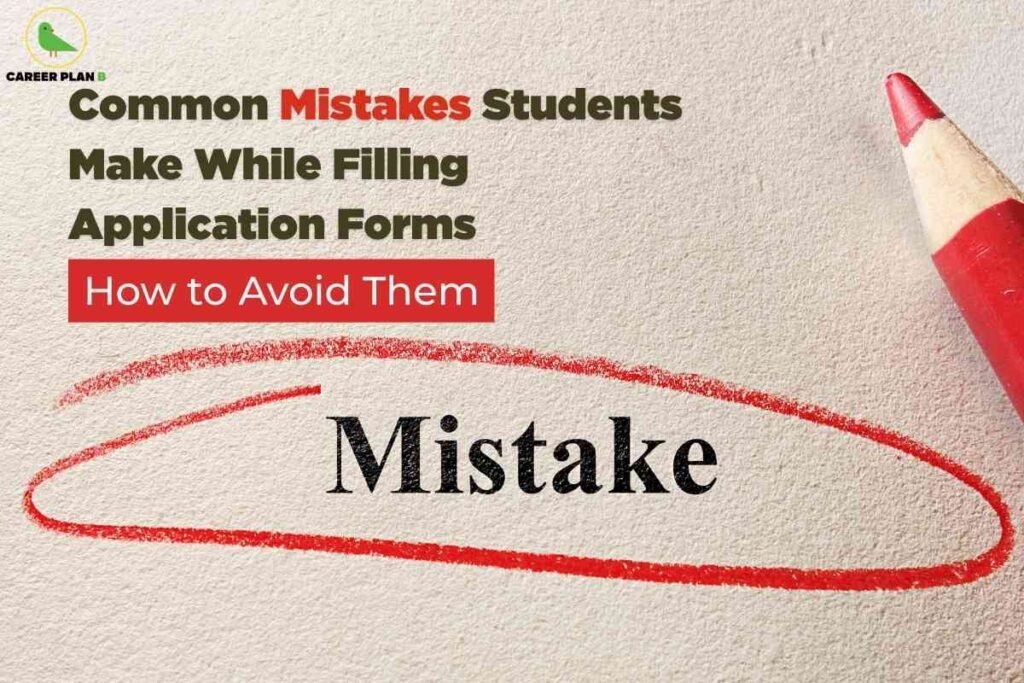
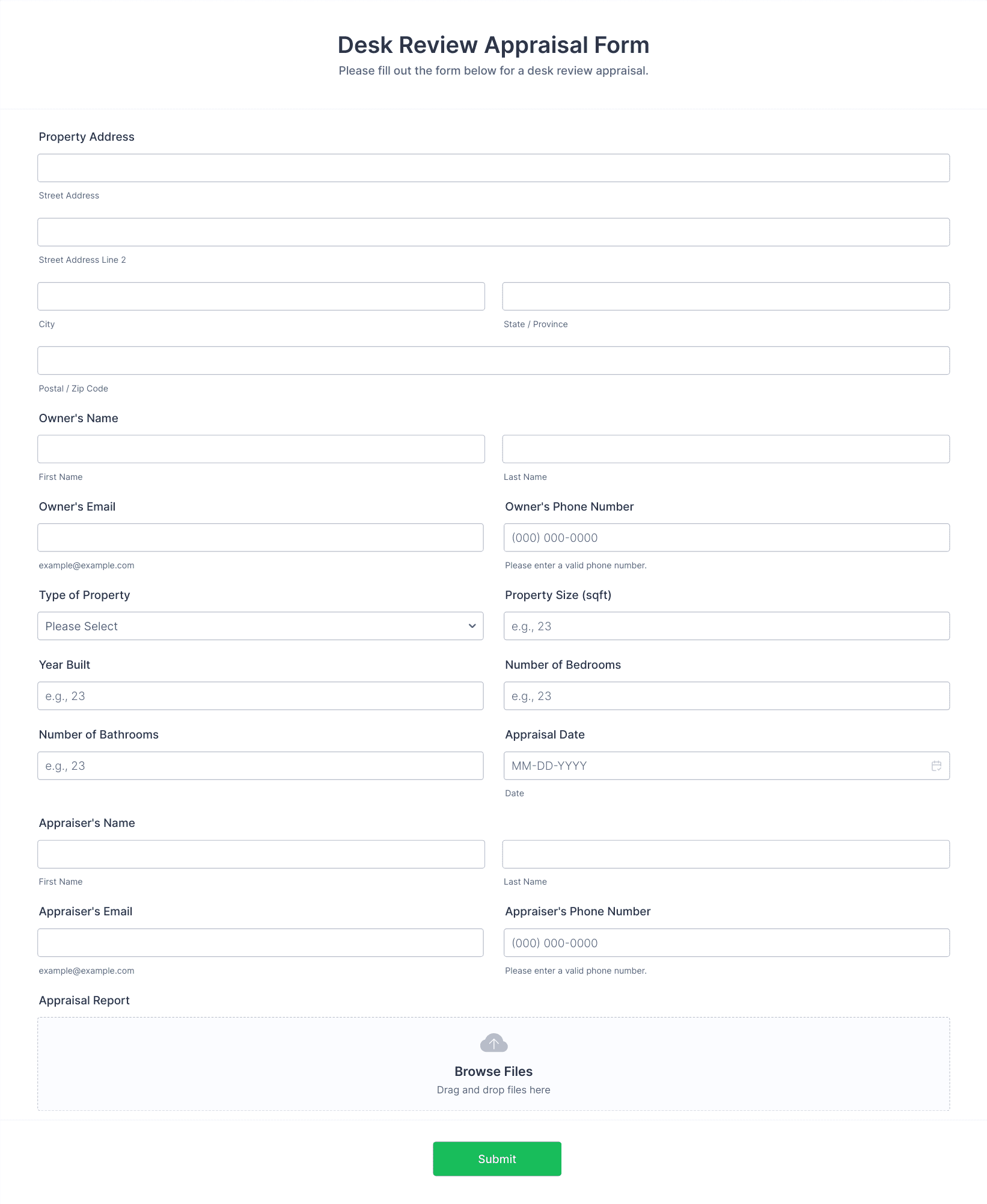
(This image represents a generic, professional review environment, similar to Shutterstock editorial stock, aligned with application screening.)
8. Applying to Too Few Learnerships
Many learners apply to one or two learnerships only and wait.
Why This Reduces Success
-
Learnerships are competitive
-
Spaces are limited
-
Many qualified applicants exist
Rejection does not mean you should stop applying.
Better Approach
-
Apply to multiple opportunities
-
Improve your documents continuously
-
Treat applications as a process
Consistency improves outcomes.
9. Using False or Misleading Information
Providing incorrect information is a serious issue.
Examples
-
Claiming qualifications you do not have
-
Altering results
-
Listing fake work experience
If discovered, this leads to immediate rejection and possible blacklisting.
How to Avoid This
-
Be honest
-
List only verified information
-
Provide documents that match your claims
Honesty builds trust.
10. Falling for Scams Instead of Legitimate Opportunities
Some learners unknowingly apply through scams.
Red Flags
-
Requests for payment
-
Promises of guaranteed placement
-
Unofficial communication channels
-
Poorly written adverts
Legitimate learnerships are free and are usually linked to accredited providers and Sector Education and Training Authorities (SETAs).
11. Poor Communication and Follow-Up Behaviour
Communication matters even after applying.
Examples of Negative Behaviour
-
Sending repeated emails
-
Demanding responses
-
Posting complaints publicly
-
Contacting unrelated departments
This can harm your chances.
Best Practice
-
Wait 4–6 weeks before following up
-
Be polite and professional
-
Accept silence as part of the process
Professional behaviour matters.
12. Not Being Available for the Full Duration
Some applicants apply without being able to commit.
Common Issues
-
Planning to study full-time
-
Planning to relocate
-
Not available for training schedules
Learnerships require full commitment.
How to Avoid This
-
Apply only if you are fully available
-
Be honest about your circumstances
Commitment is essential.
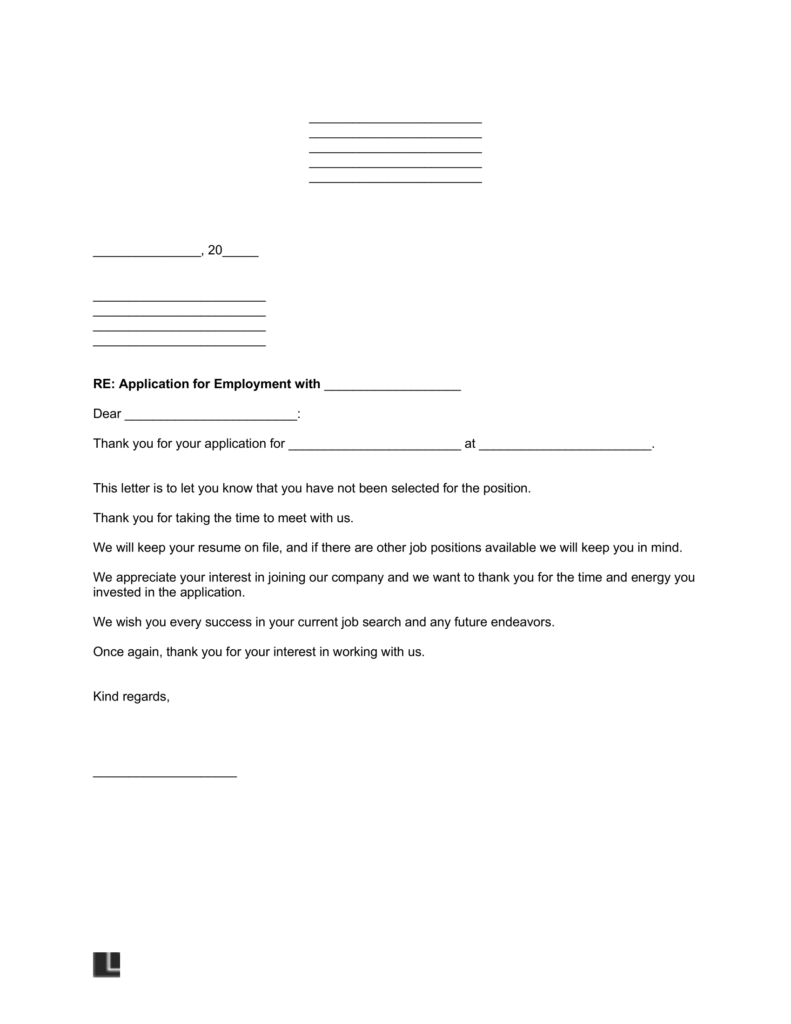 Why Many Rejections Are Never Explained
Applicants often expect feedback, but:
-
Only shortlisted candidates are contacted
-
High volumes make feedback impractical
-
Rejection notices are not always sent
Silence is common and does not reflect your worth.
What to Do After a Rejection
Rejection should be used constructively.
Productive Steps
-
Review your application
-
Improve your CV and motivation letter
-
Check requirements more carefully
-
Apply again
Most successful learners faced rejection before acceptance.
Can Rejection Be Avoided Completely?
No.
Learnerships are competitive, and rejection is part of the process. However, many rejections are avoidable by:
-
Meeting requirements
-
Submitting complete applications
-
Following instructions
-
Applying consistently
Preparation improves your chances.
How learners247.co.za Helps Reduce Rejection
Platforms like learners247.co.za support learners by:
-
Explaining requirements clearly
-
Highlighting common mistakes
-
Promoting informed applications
-
Reducing misinformation
Knowledge reduces unnecessary rejection.
Final Thoughts
Learnership application rejection is common and often unrelated to your potential or ability. In most cases, rejection happens because of simple, preventable mistakes rather than lack of qualification.
By understanding why applications are rejected and applying with care, patience, and consistency, you can significantly improve your chances over time. Focus on preparation, not perfection, and treat each application as a learning opportunity.